
Exterior Drainage Systems Washougal WA
Protect Your Foundation by Controlling Water at the Source
Licensed & insured in WA & OR • Built for wet-season reality
Exterior Drainage for Washougal Properties
Water that collects beside a foundation, slab, driveway, or entry can create recurring moisture and access problems. DC Waterproofing & Construction designs exterior drainage systems for Washougal properties after evaluating how water moves across the site.
Signs the Property Needs Better Drainage
Standing Water Near Foundations
Puddles beside the building, saturated soil, and water that repeatedly collects after rain can signal that the property needs a better drainage path.
Runoff Toward Entries and Slabs
Runoff that moves toward foundations, slabs, walkways, garages, or low entries can place water where it is most likely to cause damage or disruption.
Saturated Soil and Recurring Moisture
Recurring wet areas, drainage backups, or water crossing paths during heavy rain are signs that collection and discharge should be evaluated.
What an Exterior Drainage System Can Include
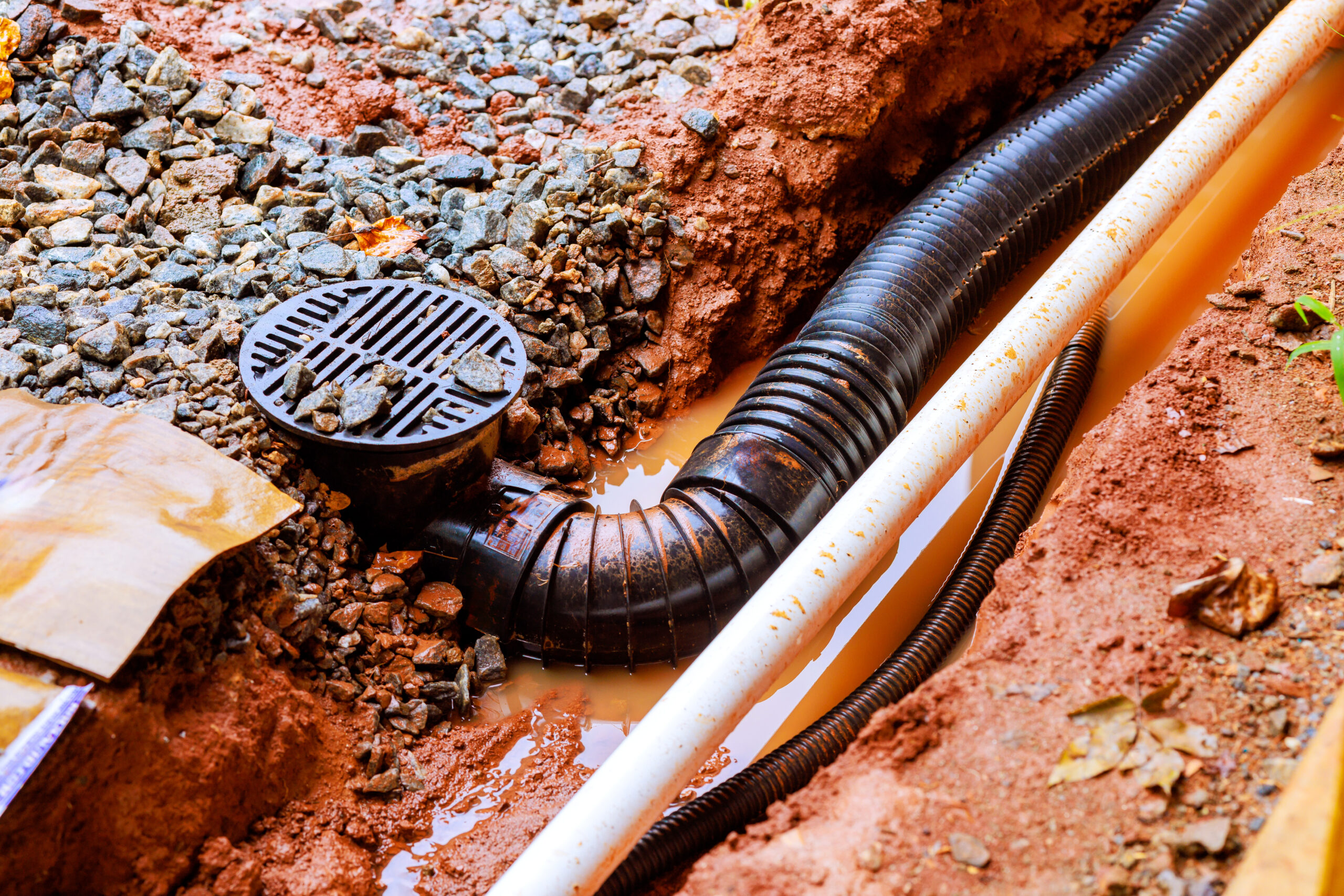
A system may include collection points, channel drains, subsurface drainage, discharge piping, downspout connections, routing improvements, and related transitions when the site inspection supports them.
Match the System to the Water Path
We inspect grading, hard surfaces, roof runoff, low areas, and the intended discharge route so the system follows the actual water path.
Drainage Near Foundations and Slabs
Drainage near foundations and slabs is planned to collect water before it remains against below-grade walls, footings, or concrete edges.
Subsurface Drainage
Subsurface components can provide a controlled route for water moving through saturated soil or gravel zones.
Downspout Connections
Downspout connections may be included when roof runoff contributes to ponding or sends water back toward the structure.
Channel Drains and Collection Points
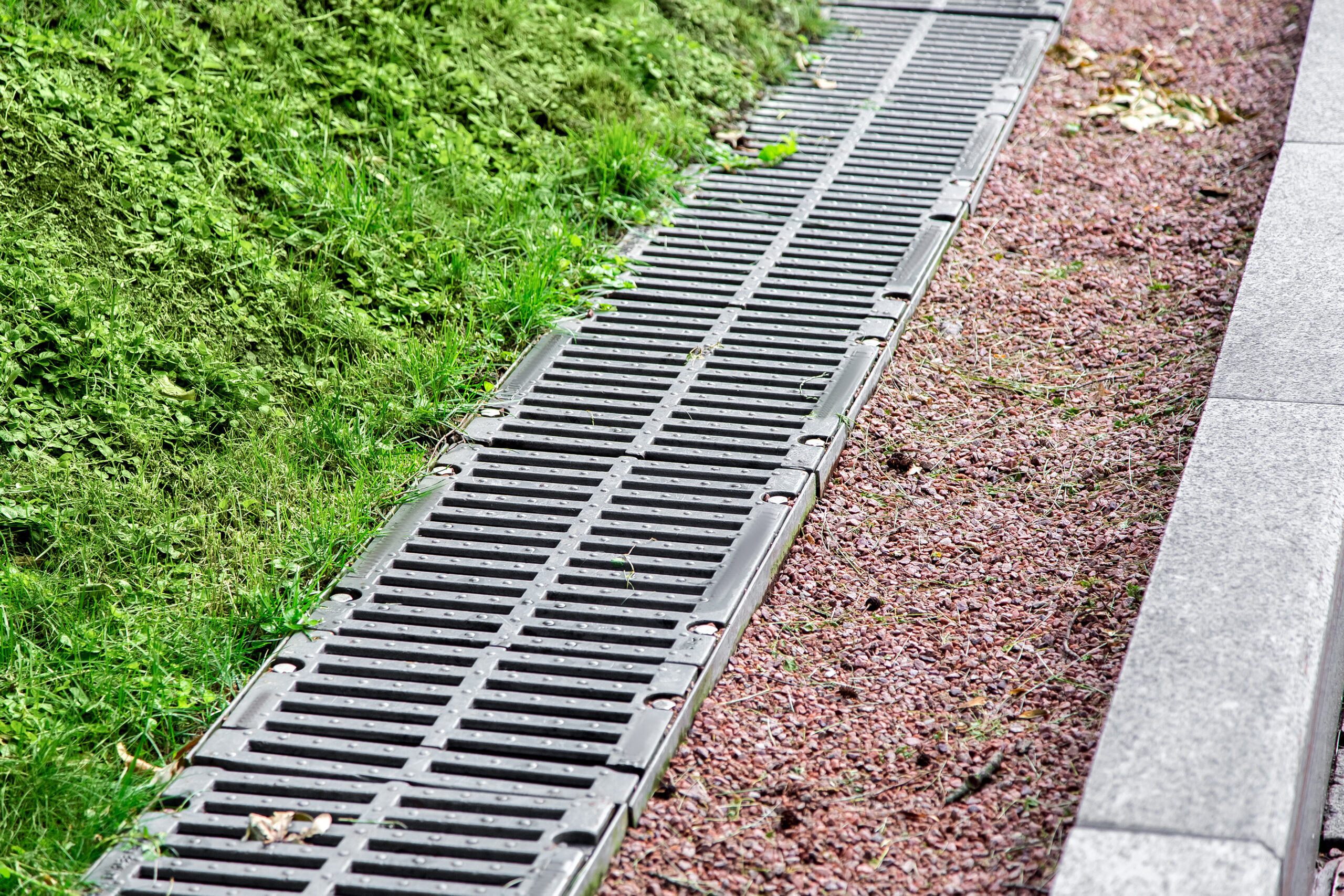
Channel drains and collection points help capture surface water near driveways, patios, walkways, entries, and hardscape transitions.
Routing and Discharge Improvements
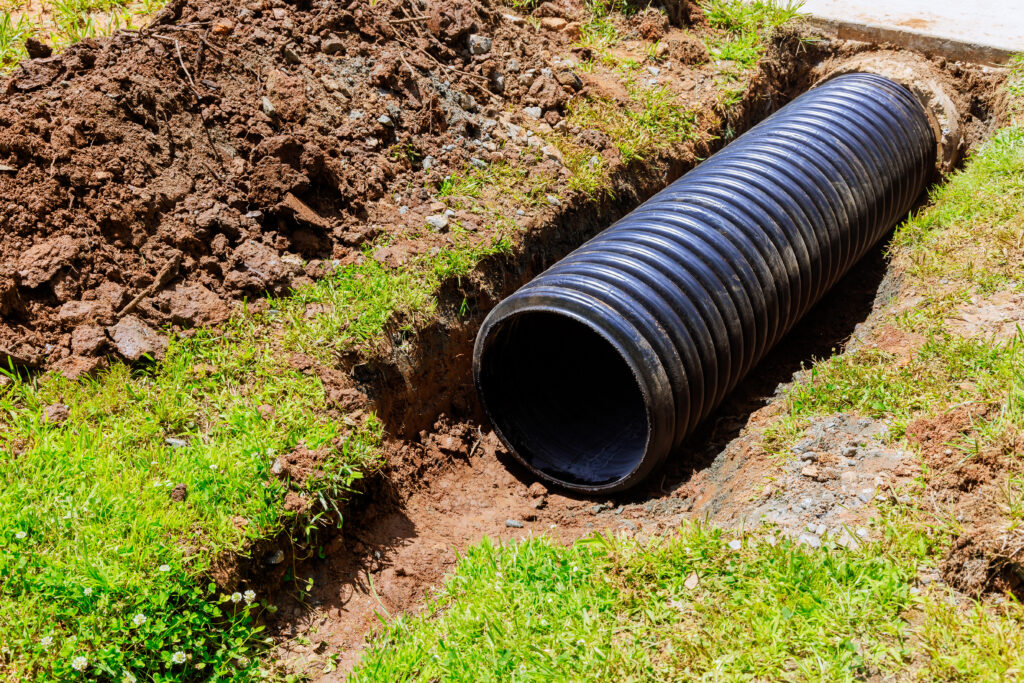
Collected water needs a practical discharge route planned around slope, access, soil conditions, and the available outlet.
Schedule a Drainage Consultation
Tell us where standing water, runoff, or drainage backups occur on your Washougal property.
Waterproofing Experience Applied to Drainage
Our waterproofing experience helps us evaluate how exterior water can affect foundations, slabs, entries, basements, and crawlspaces.
How the Drainage Process Works
1. Share the Drainage Concern
Share where water collects, when it appears, and how it affects the property.
2. Review Site Conditions
We review grading, soil, runoff, hard surfaces, downspouts, and existing drainage.
3. Confirm the Right Approach
We explain the proposed collection points, routing, discharge, and project factors that affect scope.
4. Complete the Drainage Work
The crew completes the approved drainage work with attention to slope, transitions, and flow paths.
5. Review the Finished System
We review the finished system, the intended water route, and any ongoing maintenance considerations.
Testimonials
What Your Neighbors Say
Washougal property owners can pair exterior drainage with related foundation, basement, crawlspace, and moisture-control work when conditions call for it.
Frequently Asked Questions
Channel drains collect surface runoff near driveways, patios, walkways, and entries. Subsurface drains manage water moving through saturated soil or gravel below the surface.
Not always. Exterior drainage can reduce water reaching the structure, but an inspection may show that waterproofing, foundation repair, or other moisture-control work is also needed.
The discharge route depends on slope, soil, access, existing systems, and the available outlet. We plan a practical route that moves water away without creating a new problem.
Yes. Contact DC Waterproofing & Construction at (360) 907-9819 to discuss the drainage concern and schedule a site consultation in Washougal.
Scope depends on the water path, access, soil and slope, hardscape transitions, existing drainage, collection points, and the proposed discharge route.